

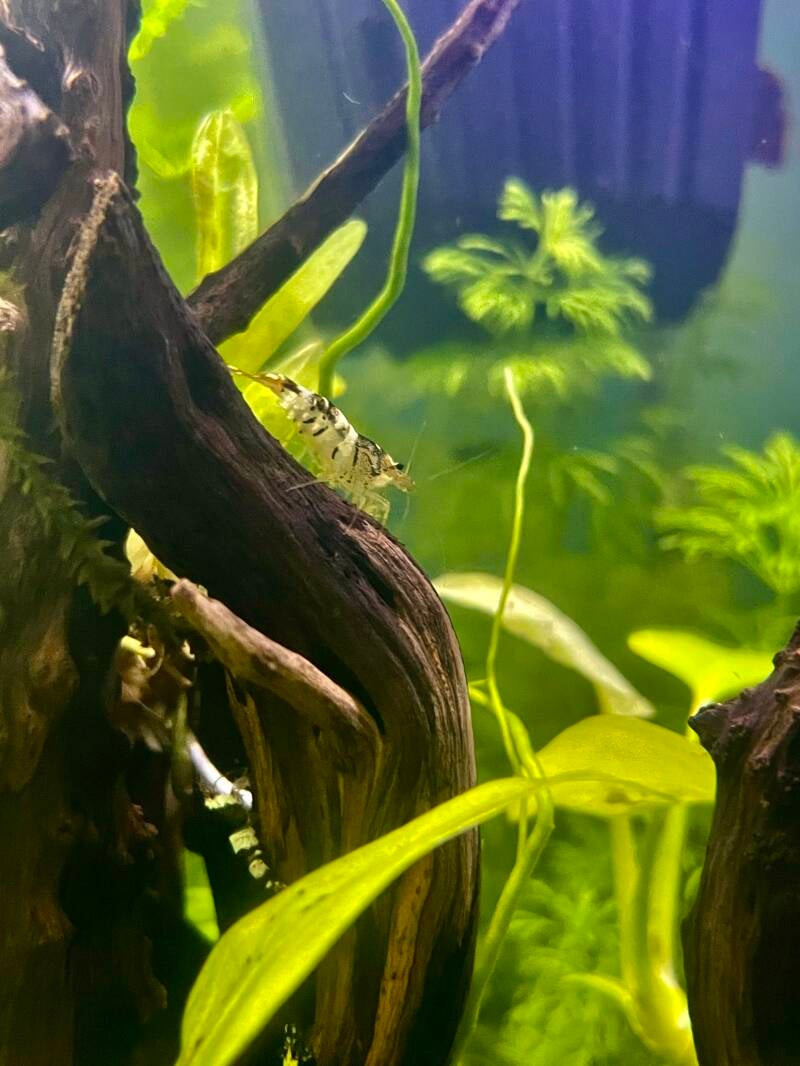
What Are “Oddball” Shrimp?
If you keep shrimp long enough, you’ll eventually spot one that doesn’t match the rest of the colony. A strange colour shift. A broken pattern. A shrimp that looks like it belongs to a completely different line.
These are what breeders often call oddballs — natural colour mutations or unexpected genetic expressions that appear during normal breeding.
They aren’t sick. They aren’t defective. They’re simply shrimp showing the full range of what genetics can do.
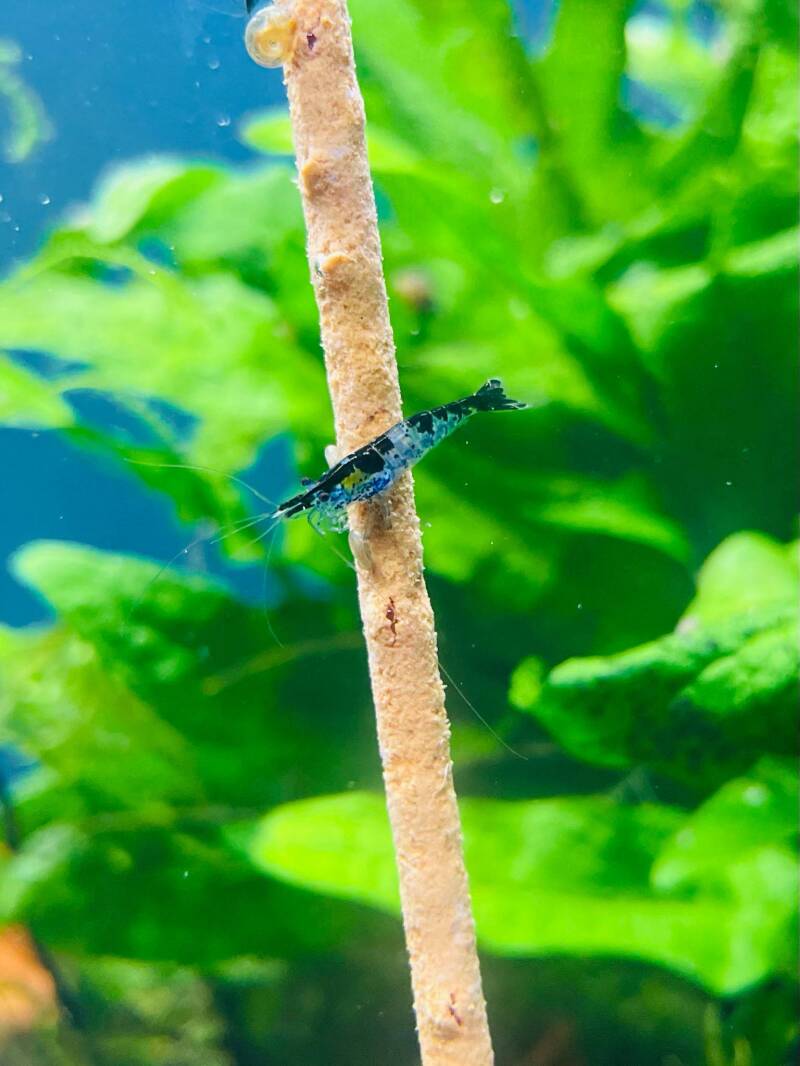
In both Neocaridina and Caridina colonies, colour and pattern are controlled by complex combinations of genes. Even when breeding stable lines, hidden traits can resurface after generations. This is why a blue colony might occasionally produce a reddish shrimp, or a patterned Caridina might throw a shrimp with an unusual stripe or fade.
From a care perspective, oddballs are no different from standard shrimp. They require the same fundamentals:
• a fully cycled tank
• stable water parameters
• gentle filtration
• biofilm and grazing surfaces
• regular, consistent water changes
• low stress and clean water
What makes oddballs special isn’t fragility — it’s rarity. Most one-off mutations won’t breed true, meaning you can’t reliably reproduce them. That’s why each oddball shrimp is essentially unique. Once it leaves the tank, there may never be another exactly like it.
For hobbyists, oddballs are a fun reminder that shrimp keeping isn’t just about perfect grading. It’s about observing nature in real time. Every colony carries hidden surprises, and part of the joy of breeding is watching those surprises appear.
And sometimes, the shrimp that don’t follow the rules end up being the most memorable ones in the tank.
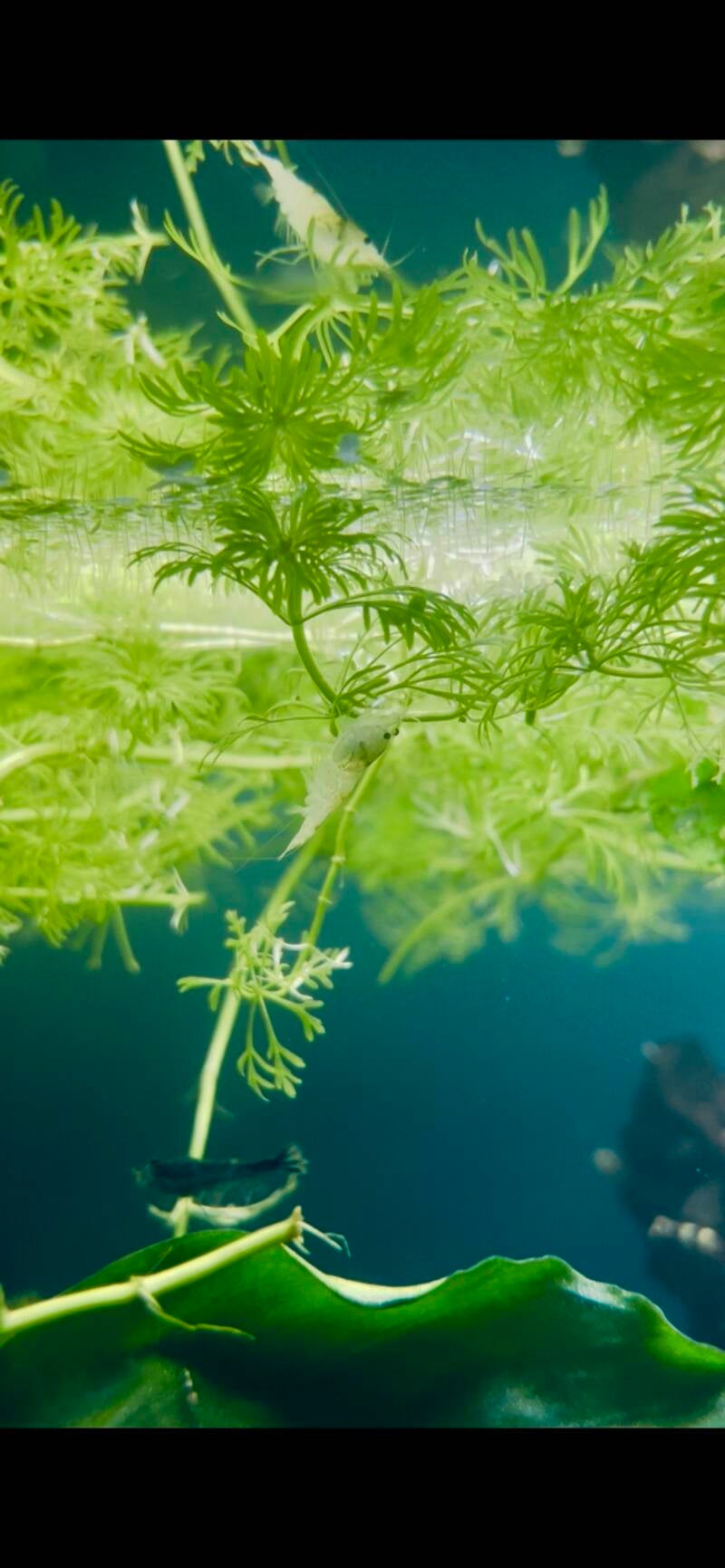
Common Questions About Oddball Shrimp
Can oddballs start a new shrimp line?
Sometimes — but rarely without a lot of selective breeding. A single mutation doesn’t automatically mean a stable new strain. To create a true line, the trait has to reproduce consistently across generations. Most oddballs are one-time genetic surprises rather than the beginning of a predictable project.
Should you separate oddball shrimp from the colony?
Only if you want to experiment with selective breeding. Leaving them in the main colony won’t harm anything, but separating them can be interesting if you’re curious about whether the trait appears again. For most keepers, they’re best enjoyed as part of the natural diversity of the tank.
Do mutations mean bad genetics?
Not at all. Mutations are a normal part of biology. In shrimp, they’re often harmless cosmetic variations. A colour change doesn’t mean the shrimp is unhealthy — it just means its genetics expressed differently than expected.
“Whether they’re perfect grade or perfectly weird, every shrimp has its place in the hobby.”
Add comment
Comments